

European Golf Is in Rude Health, But Sponsors Demand Solutions to a Fractured Game
 twiceblessedbloggers
European golf is commercially strong on the course, but fragmented off it. Sponsors say packed galleries, elite players, and global venues are being undermined by divided tours, unclear governance, and inconsistent broadcast reach. Their message is blunt: fix the fractured game, or long-term sponsorship value is at risk.
European golf looks healthy. Tournaments are well attended. The DP World Tour has premium venues, elite talent, and global exposure. On paper, everything works.
Yet behind closed doors, sponsors are uneasy. The ongoing split between tours, overlapping calendars, and unclear long-term governance are making it harder to justify multi-million-dollar partnerships. Fragmentation doesn’t just confuse fans — it erodes sponsor ROI.
In this article, I’ll break down why sponsors believe European golf is strong but structurally broken, what they’re demanding next, and the practical fixes that could stabilise the sport for players, fans, and commercial partners alike.
- What “Fractured” Really Means in Modern Golf
- Why European Golf Is Still in Rude Health
- What Sponsors Are Demanding, Clearly and Quietly
- Sponsor Demands vs Current Reality
- The Real Risks If the Game Stays Divided
- A Sponsor-Led Roadmap to Fix the Game
- What This Means for Players and Fans
- Pro Tip: What Smart Sponsors Are Doing Now
- Conclusion: A Defining Moment for European Golf
- FAQs
What “Fractured” Really Means in Modern Golf
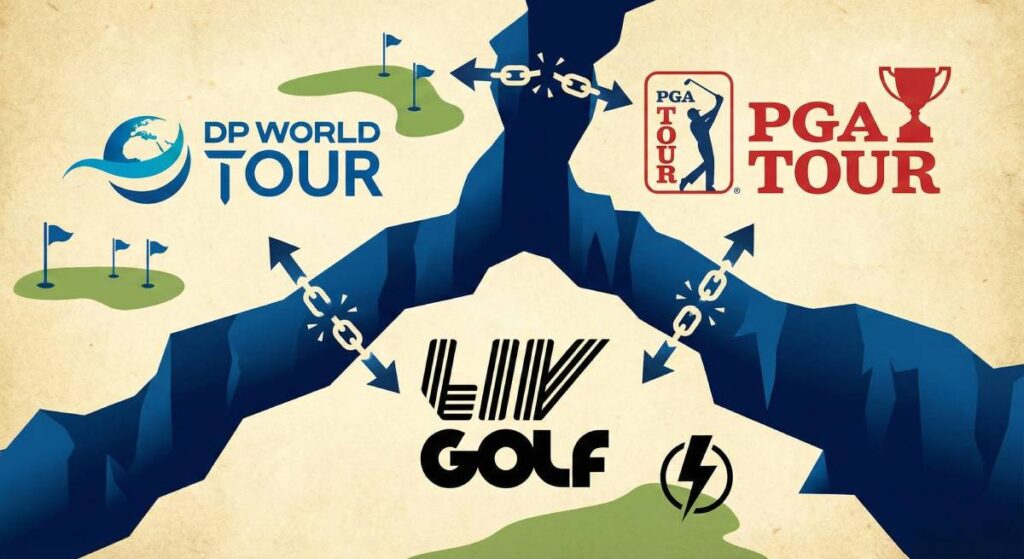
When sponsors talk about a “fractured game”, they’re not being vague. They are pointing to specific structural problems that affect brand value and audience reach.
The Core Fractures
- Multiple elite tours competing for attention (DP World Tour, PGA Tour, LIV Golf)
- Unclear governance and power structures
- Inconsistent broadcast availability across regions
- Confusing qualification systems (world rankings, majors access)
- Split player narratives, making it harder to build stars
Key takeaway: Sponsors don’t mind competition — they mind confusion.
Why European Golf Is Still in Rude Health
Here’s the paradox: European golf is not failing. In many ways, it’s thriving.
Indicators Sponsors Still Like
- Strong live attendance at flagship events
- Global destinations that align with luxury brands
- Loyal, affluent fan demographics
- Established tournament heritage
- Renewed long-term title sponsorships
European events still deliver:
- Premium hospitality
- High-net-worth audiences
- International exposure across emerging markets
Understanding the types of physical risk athletes face across sports, from ACL tears to sport-specific strains, also shapes how sponsors value performance longevity and wellbeing. This perspective transcends golf and underscores global sports investment priorities.
Why Sponsors Haven’t Walked Away (Yet)
Sponsors see potential upside, but only if fragmentation is addressed. They’re staying cautious because the product on the ground still works.
Pro Insight: Sponsors don’t leave during chaos — they leave when chaos becomes permanent.
What Sponsors Are Demanding, Clearly and Quietly
Sponsors rarely issue ultimatums publicly. Instead, they embed expectations into contracts, renewals, and boardroom conversations.
The Three Non-Negotiables
1. Clear Governance and Alignment
Sponsors want to know:
- Who controls elite men’s golf?
- Who sets the long-term calendar?
- Who guarantees player access?
Without clarity, long-term brand planning becomes impossible.
2. A Unified or Coordinated Calendar
Overlapping events dilute:
- Media attention
- Player fields
- Broadcast value
Sponsors want fewer clashes and stronger headline weeks.
3. Consistent Broadcast & Digital Reach
Fragmentation means:
- Fans can’t easily find events
- Metrics are harder to measure
- Global campaigns lose coherence
Sponsors want predictable, global distribution — not platform roulette.
Sponsor Demands vs Current Reality
| Sponsor Expectation | Current Situation |
| Stable elite structure | Multiple rival tours |
| Clear storytelling | Split player narratives |
| Predictable exposure | Fragmented broadcasts |
| Long-term ROI | Short-term uncertainty |
The Real Risks If the Game Stays Divided
If fragmentation continues, sponsors see three escalating risks.
Short-Term Risk: Brand Dilution
- Lower recall due to scattered attention
- Inconsistent audience measurement
Medium-Term Risk: Reduced Spend
- Shorter contracts
- More performance-based clauses
- Less willingness to activate on-site
Long-Term Risk: Exit of Title Sponsors
Once a title sponsor leaves:
- Prize funds shrink
- Player fields weaken
- Media interest declines
Expert Insight: Sponsors don’t abandon sports — sports price themselves out of relevance.
A Sponsor-Led Roadmap to Fix the Game
This is where most coverage stops. Here’s where we go further.
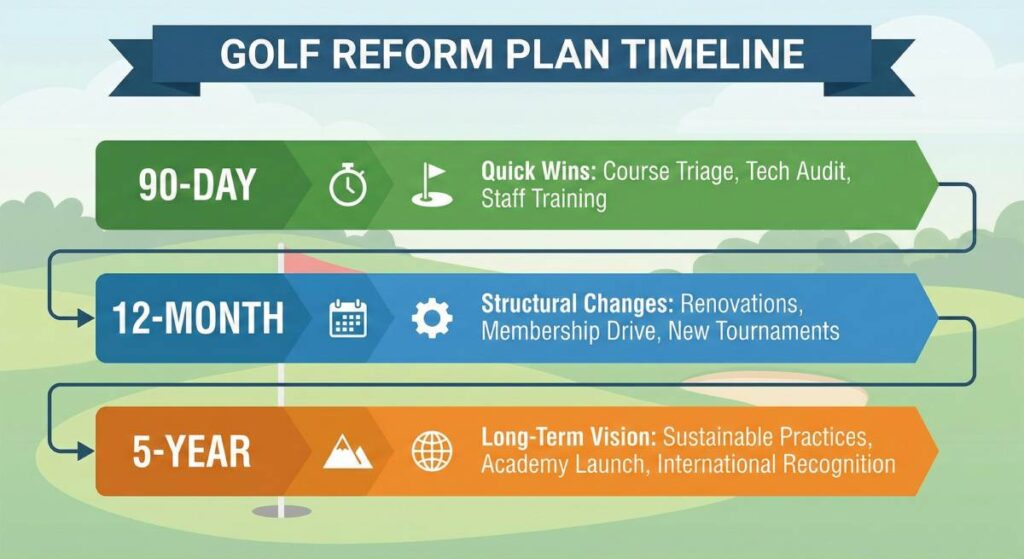
The 90-Day Fix (Immediate Confidence)
- Joint public framework between major tours
- Clear player participation principles
- Broadcast cooperation announcements
The 12-Month Fix (Structural Stability)
- Aligned elite calendar windows
- Harmonised ranking pathways
- Shared commercial standards
The 5-Year Fix (Future-Proofing)
- Unified elite competition tier
- Revenue-sharing models
- Centralised fan data ecosystem
Contrarian View: Golf doesn’t need one tour — it needs one narrative.
What This Means for Players and Fans
For Players
- Clearer career pathways
- More predictable schedules
- Stronger prize funds
Much like the broader commercial concerns that sponsors have for European golf’s structure, the well-being and durability of athletes themselves are another key area where sports and commercial interests intersect, underscoring how injury prevention and athlete health management contribute to stronger, more reliable sporting products both on and off the course.
For Fans
- Easier access to elite golf
- Better storytelling
- Stronger rivalries
Fragmentation hurts everyone — but clarity benefits all stakeholders.
Pro Tip: What Smart Sponsors Are Doing Now
- Negotiating flexibility clauses
- Demanding cross-tour visibility guarantees
- Investing more in digital fan engagement than in signage
- Supporting unification quietly, not politically
This isn’t panic — it’s preparation.
Conclusion: A Defining Moment for European Golf
European golf is not broken — but it is divided.
Sponsors have been patient. They still believe in the product. But their message is unmistakable:
Fix the fractured game, or risk losing the partners who fund its future.
The next 12–24 months will decide whether European golf evolves — or slowly erodes.
The question is no longer if change is needed.
It’s whether the game will change fast enough.
FAQs
