

Acrophobia vs. Batophobia: What Is The Difference?
 twiceblessedbloggers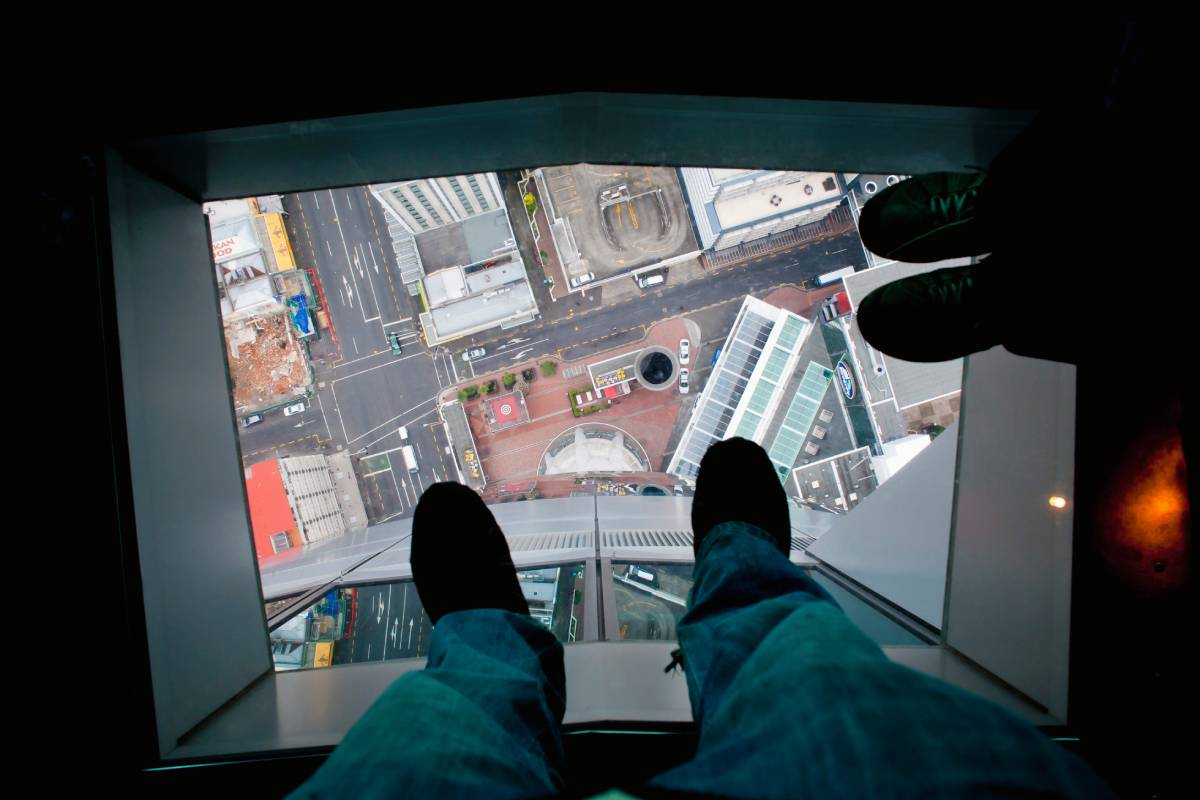
Do you feel your heart race when you stand on a balcony? Or does the panic set in only when you stand on the sidewalk, looking up at a towering skyscraper?
Many people confuse these anxiety triggers, grouping them under a general fear of “heights” or “big buildings.”
However, misidentifying your specific phobia can make managing the anxiety harder. You might avoid the wrong situations or seek treatment for a condition you don’t actually have, leaving the root cause of your panic unaddressed.
The distinction is surprisingly simple but crucial: it often comes down to whether you are looking down or looking up. In this guide, we break down the clinical and practical differences between Acrophobia and Batophobia, helping you understand exactly what your mind is reacting to.
TL;DR: Acrophobia vs. Batophobia
Acrophobia is the intense fear of heights and falling, typically triggered when you are in a high place looking down. Batophobia, on the other hand, is the fear of being near high objects (like skyscrapers or mountains). While an acrophobe fears falling off something, a batophobe fears something tall falling on them or the sheer scale of the object looming over them.
Defining Acrophobia: The Fear of Heights
Acrophobia is one of the most common specific phobias worldwide. It is derived from the Greek word akron, meaning “peak” or “edge.”
This phobia is distinct from the natural caution most people feel near a cliff edge. For an acrophobe, the fear is irrational and disproportionate to the actual danger.
Key Characteristics:
- The Trigger: Being situated at a significant height (e.g., balconies, bridges, ladders).
- The Direction: The anxiety spikes when looking down.
- The Root Fear: The primary psychological driver is the fear of falling or losing one’s balance.
- Physical Sensation: Often confused with vertigo (a spinning sensation), though vertigo is a symptom, not the phobia itself.

Defining Batophobia: The Fear of Tall Objects
Batophobia is less commonly discussed but equally debilitating for those who suffer from it. It comes from the Greek bathos, meaning “depth.”
In modern psychology, this is often categorized as a specific situational phobia related to spatial perception. People with Batophobia often feel “trapped” or overwhelmed when surrounded by tall structures.
Key Characteristics:
- The Trigger: Being at ground level near tall structures (e.g., skyscrapers, tall trees, mountains, high ceilings).
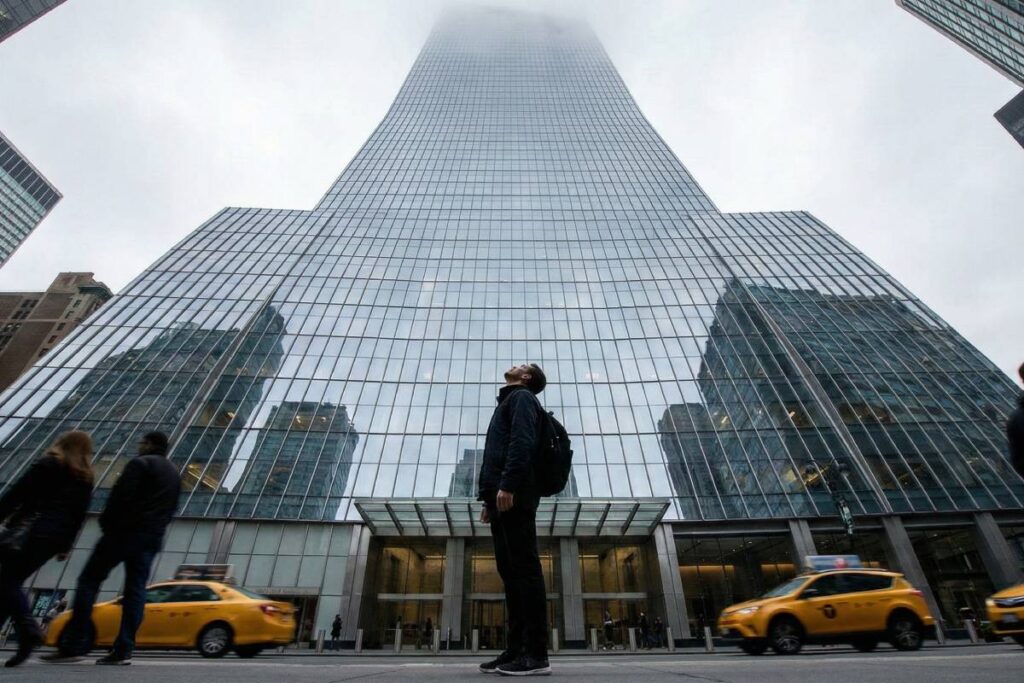
- The Direction: The anxiety spikes when looking up.
- The Root Fear: The fear that the object will collapse or fall on top of them, or a sense of insignificance against the scale of the object.
- Related Conditions: Often overlaps with Megalophobia (fear of large objects).
Side-by-Side Comparison: The Critical Differences
To clarify the nuances, we’ve broken down the distinctions into a comparison table. This is essential for understanding your specific triggers.
| Feature | Acrophobia | Batophobia |
| Primary Definition | Fear of heights | Fear of being near high objects |
| Your Location | You are high up (on a roof/ladder) | You are low down (ground level) |
| Direction of Gaze | Looking Down | Looking Up |
| Psychological Fear | “I am going to fall.” | “That is going to fall on me.” |
| Common Triggers | Balconies, glass elevators, cliffs | Skyscrapers, valleys, cathedrals |
| Overlap | Can trigger Vertigo | Can overlap with Megalophobia |
Shared Symptoms: How the Body Reacts
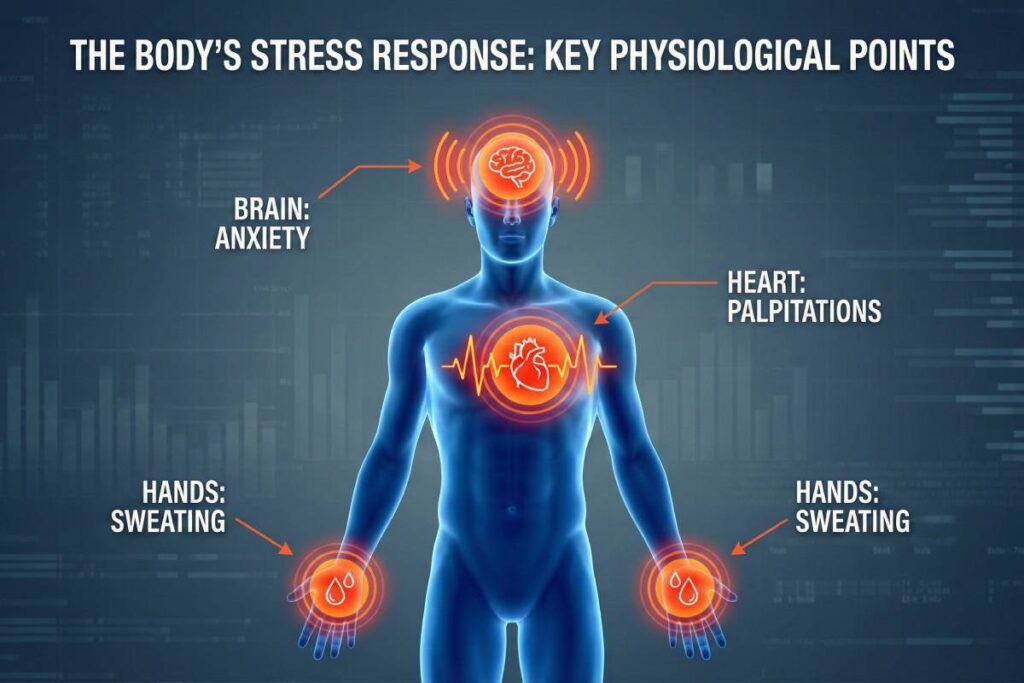
Despite the different triggers, the body’s “Fight or Flight” response is remarkably similar for both conditions. This is why they are often confused, the feeling of the panic attack is nearly identical.
Physical symptoms include:
- Rapid Heartbeat (Tachycardia): Your heart pounds to pump blood to muscles for escape.
- Shortness of Breath: A feeling of suffocation or chest tightness.
- Dizziness: A sudden drop in blood pressure or feeling faint.
- Trembling: Uncontrollable shaking, particularly in the legs (often called “jelly legs” in Acrophobia).
Psychological symptoms include:
- Doom: An overwhelming sense of immediate death or catastrophe.
- Avoidance: Going to great lengths to avoid bridges (Acrophobia) or city centers (Batophobia).
- Detachment: Feeling unreal or detached from your body (Derealization).
Wait, Is It Vertigo? (The “Imposter” Condition)
It is crucial to mention Vertigo, as it often gets mixed into this conversation.
- Vertigo is not a phobia. It is a physiological condition involving the inner ear (vestibular system).
- It creates a spinning sensation, as if the world is moving around you.
- The Connection: Acrophobia can cause vertigo, but you can have vertigo without being afraid of heights. If you feel the room spinning even when lying in bed, it is likely a medical issue, not a phobia.
Managing the Fear: What Actually Works?
Whether you are looking up or looking down, these phobias are treatable. Psychology experts generally recommend similar evidence-based approaches for both.
Exposure Therapy (Desensitization)
This is the gold standard. It involves gradual, controlled exposure to the fear source.
- For Acrophobia: Starting on a low step stool, then a ladder, then a second-story window.
- For Batophobia: Looking at photos of skyscrapers, then standing 100 meters away, then standing at the base.
Cognitive Behavioral Therapy (CBT)
CBT helps reframe the catastrophic thoughts.
- Instead of thinking, “This building is going to crush me,” CBT trains the brain to recognize the structural safety and statistical impossibility of the event.
Therapy isn’t just about facing heights; it’s also about learning to recognize and overcome emotional barriers that fear has built up over time.
Conclusion
Understanding the difference between Acrophobia and Batophobia is the first step toward regaining control.
If you fear falling from a ledge, you are dealing with Acrophobia. If you fear the ledge looming over you, it is Batophobia. While the direction of your gaze changes, the validity of your fear does not both are real conditions that deserve attention and care.
Overcoming a phobia is a journey of self-trust. As you work through these fears, taking steps to boost your confidence in other areas of life can provide the mental resilience you need to face the skyline.
The next time you find yourself in a city center or on a hiking trail, pause and ask yourself: Are you afraid of where you are standing, or are you afraid of what is standing above you?
